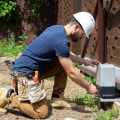
A household water emergency is a poor time to discover that nobody knows where the stop tap is. Make a short, practical check part of your home maintenance routine: identify the correct valve, keep it accessible, and record who to contact if it does not work.
Locate the internal stop tap
WaterSafe’s guidance on locating an internal stop tap explains that it is the point used to shut off the water supply to a home or business. It is often under the kitchen sink, but may be in a utility room, garage, downstairs bathroom, cellar or under the stairs.
Look for the valve during an ordinary maintenance check, when there is no urgent leak. If you cannot confidently identify it, ask a plumber or, in rented accommodation, the landlord or managing agent. Do not assume that every small valve beside an appliance controls the whole property.
Check it gently
WaterSafe advises operating the stop tap slowly and never forcing it. For a conventional screw-down valve, clockwise closes it and anticlockwise opens it; the water may take a few minutes to stop. If the valve will not turn or does not shut off the supply, contact a plumber rather than applying extra force.
Ask for a demonstration if the control or installation is unfamiliar. Record the date of the check and any problem found. Keep that note alongside your routine water-leak checks, so a sticking valve does not disappear from the household to-do list.
Keep the location easy to explain
Clear ordinary stored items from the access route and add a simple label once the correct valve is confirmed. A photograph showing the cupboard and valve can help another household member find it. Store the photograph with your home maintenance notes rather than relying on a verbal description alone.
Tell the people who may need the information where it is. If access requires a key or permission, settle that arrangement in advance. Update the note after alterations to the kitchen, utility room or pipework.
Know when to call for help
The external stop tap is a separate matter. WaterSafe advises seeking plumbing help when the internal supply cannot be turned off and explains that external stop taps are ideally operated by a qualified plumber or the water supplier; supplier permission may be needed.
Keep the relevant plumber, landlord or managing agent, and water supplier contact details together. This is preparation for a clearer response, not an invitation to dismantle a faulty valve. An accessible, identified stop tap and an agreed contact plan are useful outcomes from a small maintenance task.